
Hearing that you need a root canal can feel intimidating. The phrase alone tends to bring up anxiety, uncertainty, and a lot of “what if” questions. But here’s the reassuring truth: root canal treatment is not something most patients regret—in fact, it’s usually something they’re grateful they did.
When a tooth is infected or severely damaged, a root canal is often the treatment that saves it. And for most people, it means relief from pain and a return to normal life—not ongoing discomfort or regret.
What a Root Canal Actually Does
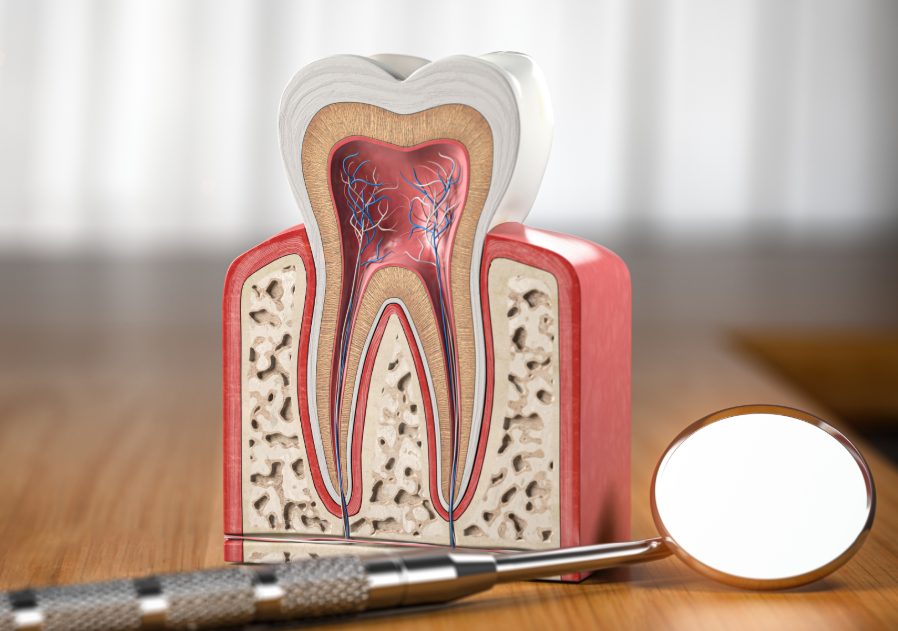
A root canal is designed to treat infection inside a tooth while preserving the natural structure. When the inner pulp becomes inflamed or infected due to decay, trauma, or cracks, it can cause significant pain and sensitivity.
During treatment, the infected tissue is removed, the inside of the tooth is cleaned and disinfected, and the space is sealed to prevent future infection. A crown is often placed afterward to restore strength and function.
The goal is simple: save the natural tooth whenever possible and stop the infection from spreading.
Why Patients Rarely Regret the Procedure
One of the biggest fears people have is that they’ll go through the procedure and still regret it afterward. But research and patient experiences consistently show the opposite.
Most people report a major improvement in quality of life following a root canal because:
- The source of pain is removed
- Chewing and daily function return to normal
- The natural tooth is preserved instead of extracted
- There’s no ongoing pressure or infection discomfort
In many cases, patients who delay treatment due to fear end up experiencing worsening pain, which makes the eventual decision to proceed feel like a relief rather than a regret.
Root Canal vs. Tooth Extraction: Why Timing Matters
When a tooth is badly infected, there are typically two main options: save it with a root canal or remove it entirely. While extraction may seem simpler in the moment, it often leads to more long-term considerations, such as replacing the missing tooth with an implant or bridge.
Choosing a root canal when the tooth is still restorable helps preserve your natural bite and jaw structure. It also helps prevent shifting teeth and additional dental complications that can arise after extraction.
In other words, addressing the problem early often means fewer treatments—and fewer decisions—down the road.
What Recovery and Results Are Like
Modern root canal treatment is much more comfortable than its reputation suggests. Most patients are surprised by how similar it feels to getting a standard filling.
Mild soreness afterward is normal, but it typically resolves quickly. Once healed, the treated tooth functions just like any other tooth, allowing you to eat, speak, and smile without discomfort.
For many patients, the most common reflection afterward is simple: “I wish I hadn’t waited so long.”
A Decision That Supports Long-Term Health
Choosing a root canal isn’t just about solving a current issue—it’s about protecting your long-term oral health. By preserving your natural tooth and eliminating infection, you’re helping prevent future complications and supporting a healthier smile overall.
While it’s normal to feel nervous, root canal treatment is widely considered one of the most effective ways to relieve pain and save a damaged tooth.
A healthier, pain-free smile is usually closer than it feels in the moment.
About the Practice
At Meta Endodontics, Dr. Trinh and Dr. Mehta focus pn diagnosing and treating complex tooth infections and root canal cases with precision and care. We are dedicated to preserving natural teeth whenever possible, using advanced techniques designed to maximize comfort and long-term success. Patients receive individualized treatment plans aimed at relieving pain, restoring function, and protecting overall oral health.
Call us at (847) 920-6382 or schedule your appointment online.